

Plan Your GPA Improvement: Free Online Tool
A low or plateaued grade point average can feel like a heavy weight when you are trying to open doors for scholarships, graduate schools, or competitive job placements. Many students make the mistake of simply promising to "study harder" next term without looking at the underlying math of their transcripts.
If you do not map out exactly what grades you need in specific classes, you might end up working incredibly hard only to move your cumulative score by a fraction of a point.
The most efficient way to change your academic trajectory is to run real numbers. When you use our free online tool to plan your gpa improvement, you turn a vague academic desire into a concrete, math-backed strategy.
Related Reading: Check out our guide on Study in Hungary: Full Guide to Free Education
The Reverse-Engineering Strategy
Most students track their progress looking backward. They finish a term, receive their report card, and look at the damage or the reward. Academic planning reversed this script. By using data to look forward, you calculate precisely what needs to happen to reach your target before a single test is handed out.
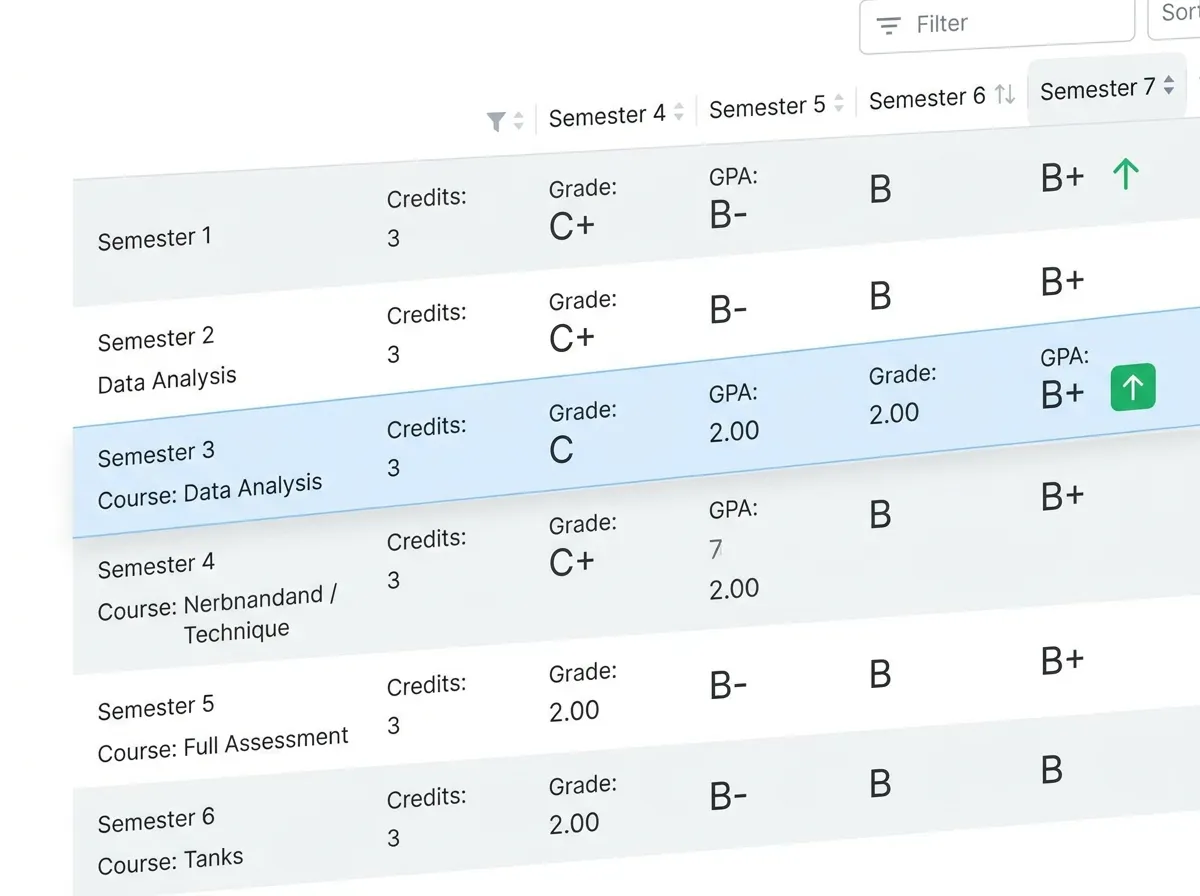
To make an impact on your cumulative score, you must understand credit weight distribution. A poor grade in a 4-credit lab class drags your average down significantly faster than a poor grade in a 1-credit seminar.
Our free online planner allows you to play with different scenarios. You can see how an 'A' in your heaviest courses alters your total standing compared to getting straight 'B's across the board.
3 Steps to Build Your Academic Road Map
Reaching a specific target score takes more than wishful thinking. It requires a clear, step-by-step audit of your past performance and your future course load.
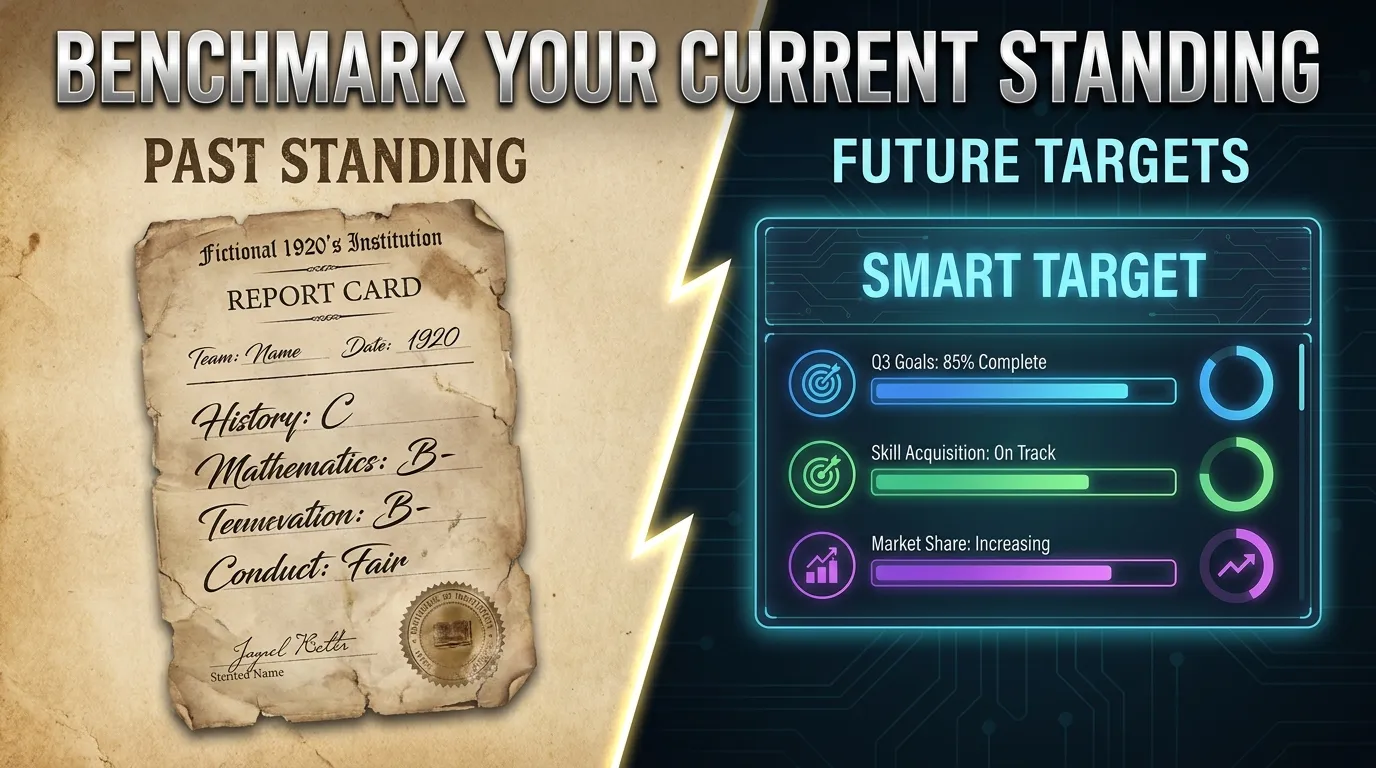
1. Benchmark Your Current Standing
Before changing your future, you need to know exactly where you stand. Gather your current cumulative score and the total number of credit hours you have completed so far. Enter these two figures directly into our online planner. This establishes your mathematical baseline.
2. Set Realistic Target Semesters
Calculate how many semesters or terms you have left before graduation. If you are a freshman with a 2.5 score, lifting it to a 3.5 by graduation is highly achievable. If you are a second-semester junior, achieving that same jump requires near-perfect marks because your existing credit volume is heavy. The software shows you exactly how much time you need to hit your goal.
3. Mitigate High-Risk Classes
Identify the courses in your upcoming schedule that historically cause you struggle. If you know organic chemistry or advanced macroeconomics will threaten your average, use the tracking tool to see how a lower fallback grade in that specific course affects your plan. This helps you figure out which elective courses need to be high-performing 'A' buffers.
The "Credit Burnout" Trap
When students realize they need to increase their scores, their first instinct is often to load up on extra credit hours. They sign up for 18 or 21 credits, thinking more classes equals a faster recovery.
This plan often backfires. Spreading your energy too thin across too many subjects usually results in mediocre grades across all of them, which keeps your average stagnant or drops it further.
Pro Tip: It is mathematically safer to take a standard or slightly lighter course load (12 to 14 credits) and secure top marks in those specific subjects. Maximizing your grade point performance in fewer classes yields a cleaner, more predictable upward shift than barely surviving an overloaded semester.
The Overlooked Variable: Credit Hour Density
A unique factor that many popular grade calculators ignore is the concept of academic velocity. The further along you are in your academic journey, the more resistant your cumulative average becomes to change. This is known as credit density.
Cumulative GPA = Total Quality Points / Total Earned Credit Hours
When your total earned hours number is small, every new grade swings the equation drastically. When your total hours grow large, even a perfect 4.0 semester barely moves the needle.
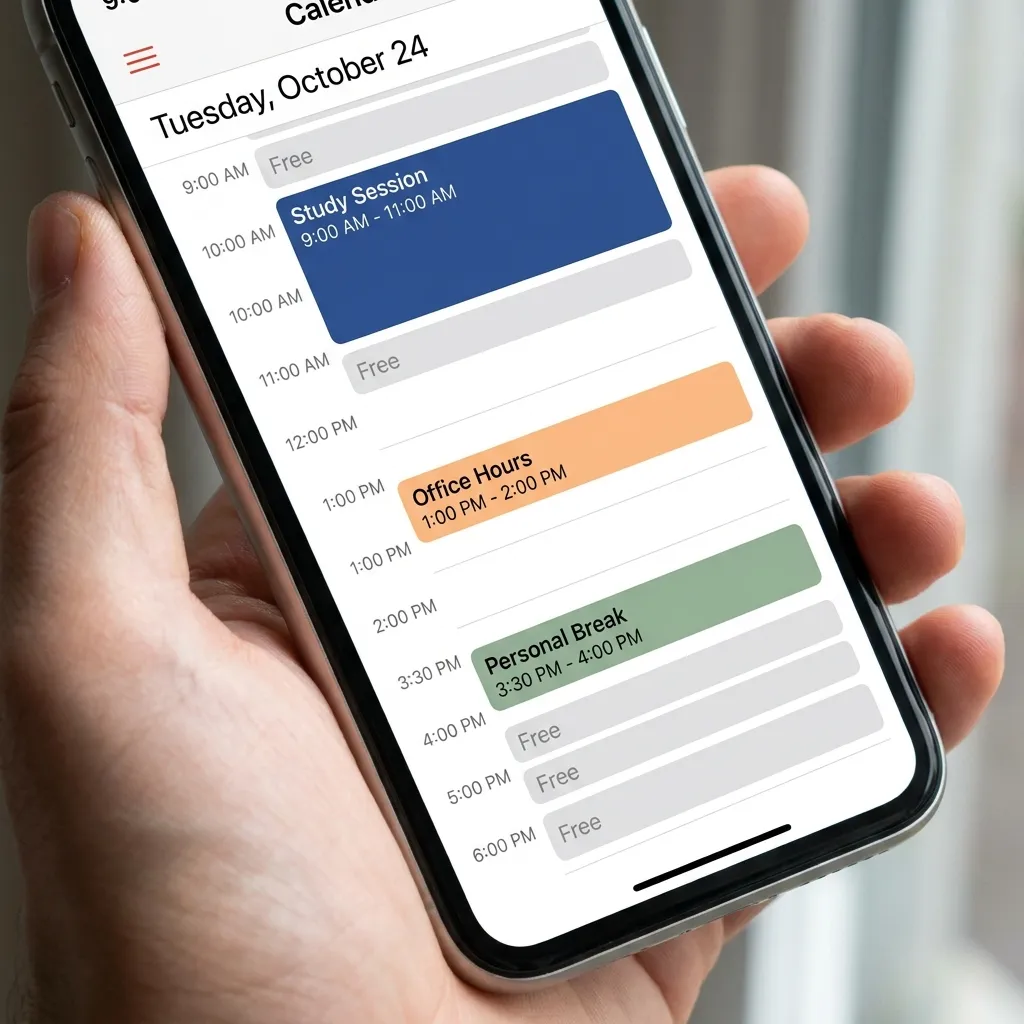
Our interactive tool is built specifically to address this math. It highlights the exact inflection point where adding more credits stops being effective, signaling when you should focus instead on grade replacement options like retaking a class to wipe an old failing score from your record.
Summary of Growth Tactics
| Growth Pillar | Action Item | Strategic Outcome |
| Data Baseline | Input total credit hours into the online tool | Prevents unrealistic goal-setting |
| Course Load Control | Cap semesters at a standard credit limit | Minimizes burnout risk, ensures study depth |
| Credit Weighting | Focus study hours on 4-credit courses | Protects your score from heavy class drops |
| Grade Replacement | Retake low-performing core courses if allowed | Erases poor quality points from past terms |
Final Strategy Check
The secret to moving your academic metrics up isn't working yourself to exhaustion—it is executing a targeted plan. Use our interactive interface to map out your upcoming terms, spot potential balance issues early, and keep your efforts focused exactly where they matter.
Expert Tip: Open the planner tool during the first week of every new term. Input your syllabus grade breakdowns so you know the exact minimum score you need on your finals to preserve your target path.