

How to Write a MEXT Research Plan 2026: The Ultimate Strategy
The MEXT Research Plan 2026 is the single most important document in your scholarship application. While your GPA and language skills matter, the research plan tells the Japanese government why they should invest thousands of dollars in your brain.
Many students treat this like a generic university assignment. That is a mistake. To win the Monbukagakusho scholarship, your proposal must prove that your work is feasible, academically rigorous, and beneficial to the relationship between your country and Japan.
Before you start writing, ensure your academic foundation is solid. Use this tool to check your eligibility:
calculate your GPA : CLICK HERE
Related Reading: Check out our guide on Chevening Scholarship for 2027: Requirements & Apply
Step 1: Selecting a Strategic Research Topic
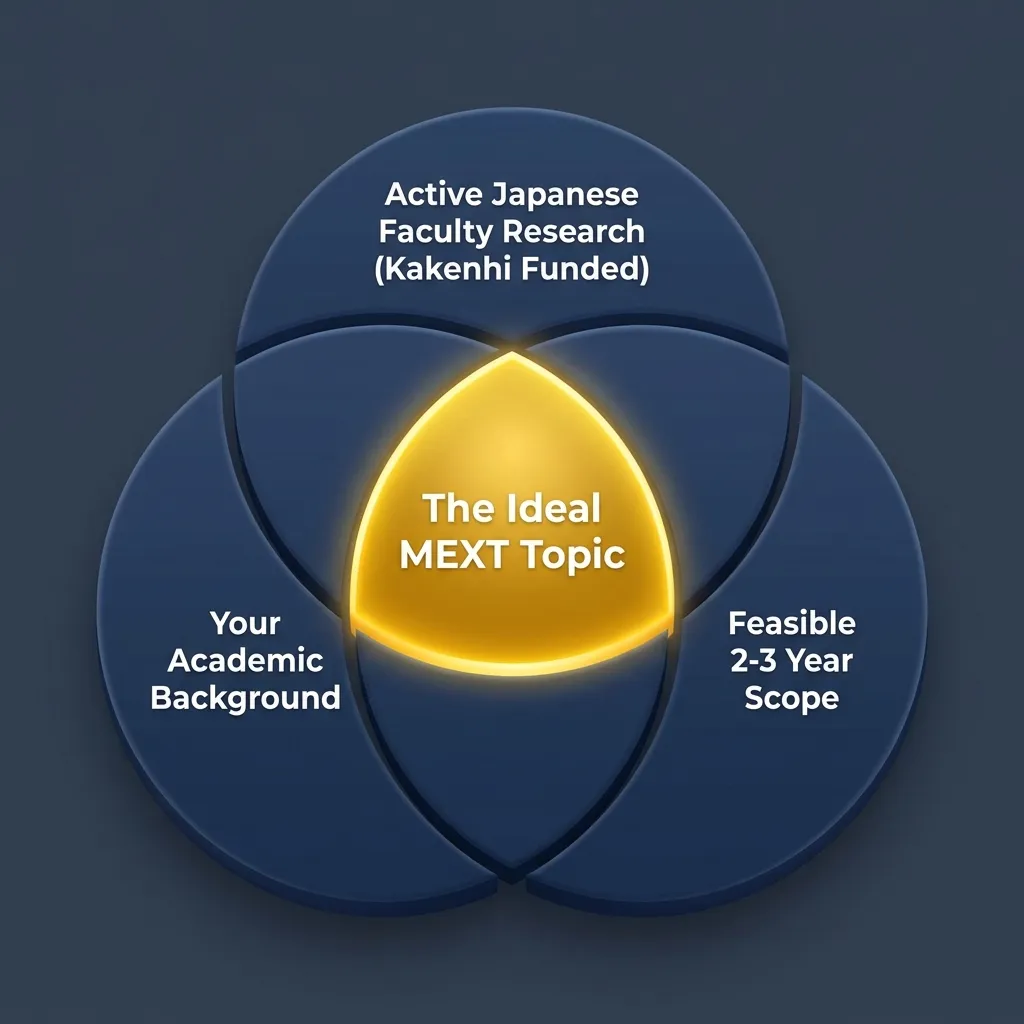
For the MEXT Research Plan 2026, "interest" isn't enough. You need a topic that sits at the intersection of your past expertise and a Japanese professor’s current research.
-
Audit Japanese Universities: Search the "Researchmap" database or university websites to see what Japanese labs are actually doing.
Identify a Gap: Your research should solve a problem. Avoid broad titles like "Economics in Japan." Use specific titles like "The Impact of Aging Demographics on Rural Fintech Adoption in Japan and [Your Country]."
Feasibility: Ask yourself: "Can I finish this in 2 years for a Master’s or 3 years for a PhD?" MEXT rejects overly ambitious plans that look impossible to complete.
The 3-Part Structure MEXT Expects
The official MEXT application form (Field of Study and Research Plan) is divided into two main sections. Here is how to fill them strategically.
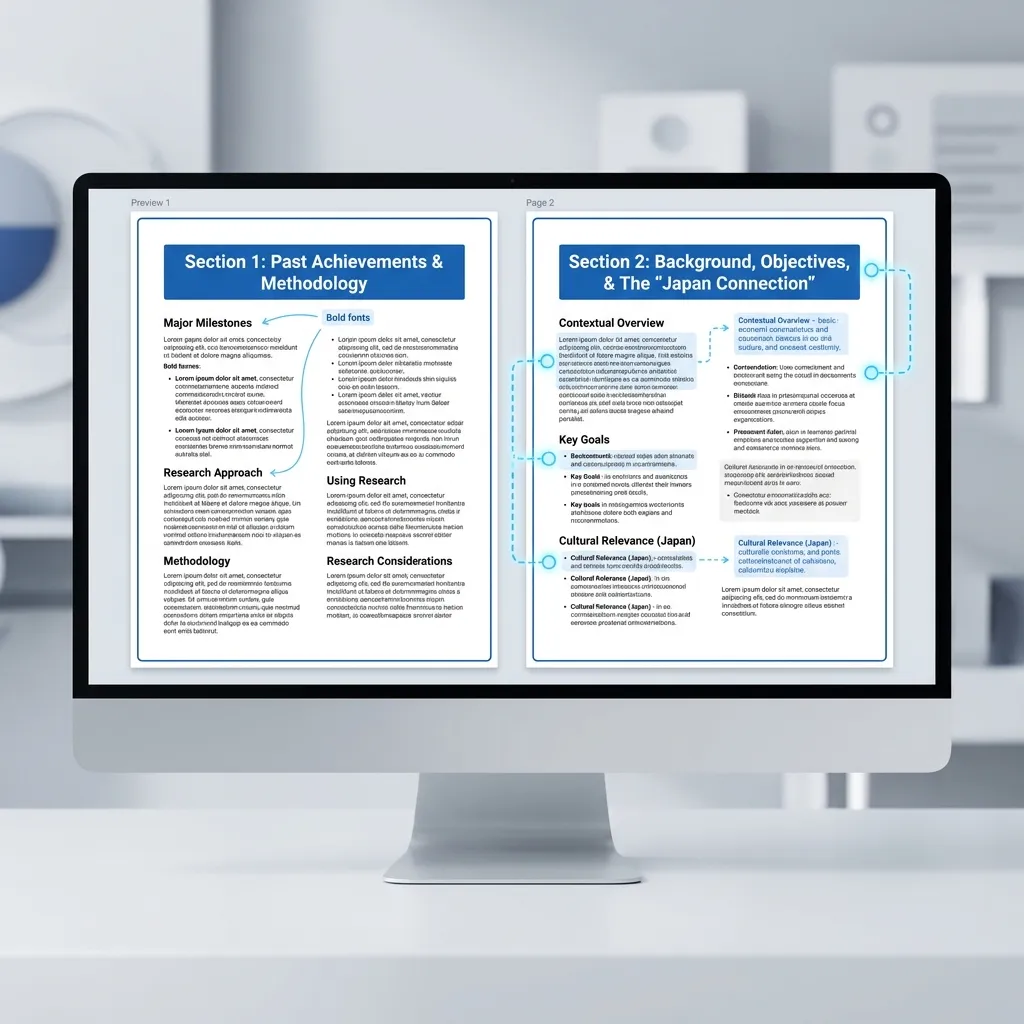
1. Past and Present Field of Study
This is where you establish your E-E-A-T (Experience, Expertise, Authoritativeness, and Trustworthiness).
 Caption
-
Summarize your graduation thesis or professional projects.
Highlight specific methodologies you used (e.g., "Used Python for data scraping" or "Conducted qualitative interviews with 50 SMEs").
Connect your past work to your future goals.
2. Research Plan in Japan
This section needs a clear hierarchy. Use sub-headings to make it readable for the embassy reviewers:
-
Background: The current state of the field and why your research is needed now.
Purpose: Clear, bulleted objectives.
Methodology: How will you get the data? Will you use Japanese archives? Laboratory experiments? Surveys?
Significance: Why does this matter? This is the "so what?" factor.
The "Japan Connection": The Unique Value Section
Most applicants forget to explain why Japan. If your research could be done in London or New York, MEXT has no reason to fund it in Tokyo.
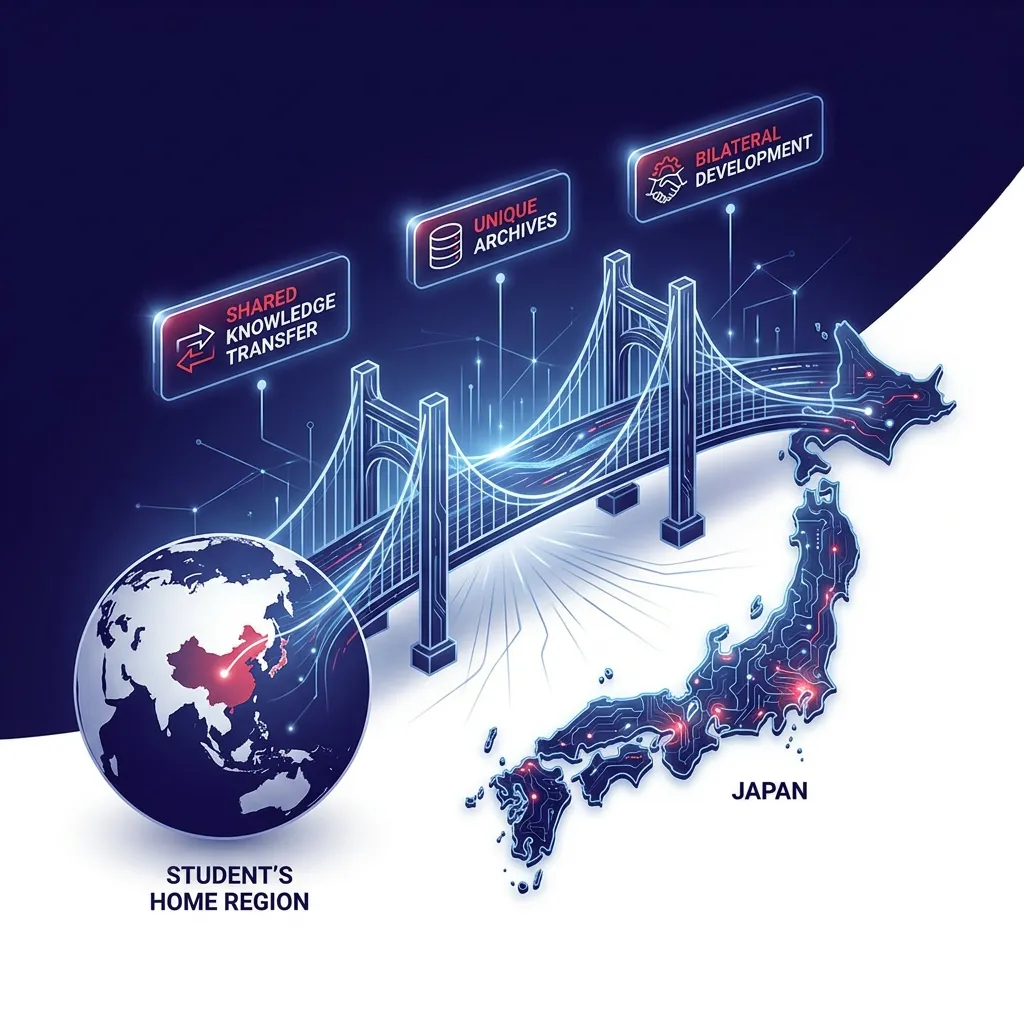
To add unique value to your MEXT Research Plan 2026, emphasize:
-
Access to Specific Resources: Mention specific libraries, equipment, or geographical features only found in Japan.
Japanese Expertise: Mention that Japan leads the world in your specific niche (e.g., disaster prevention, robotics, or Japanese literature).
Bilateral Impact: Explain how your research will act as a bridge between your home country and Japan.
Practical Pro-Tips for 2026 Applicants
-
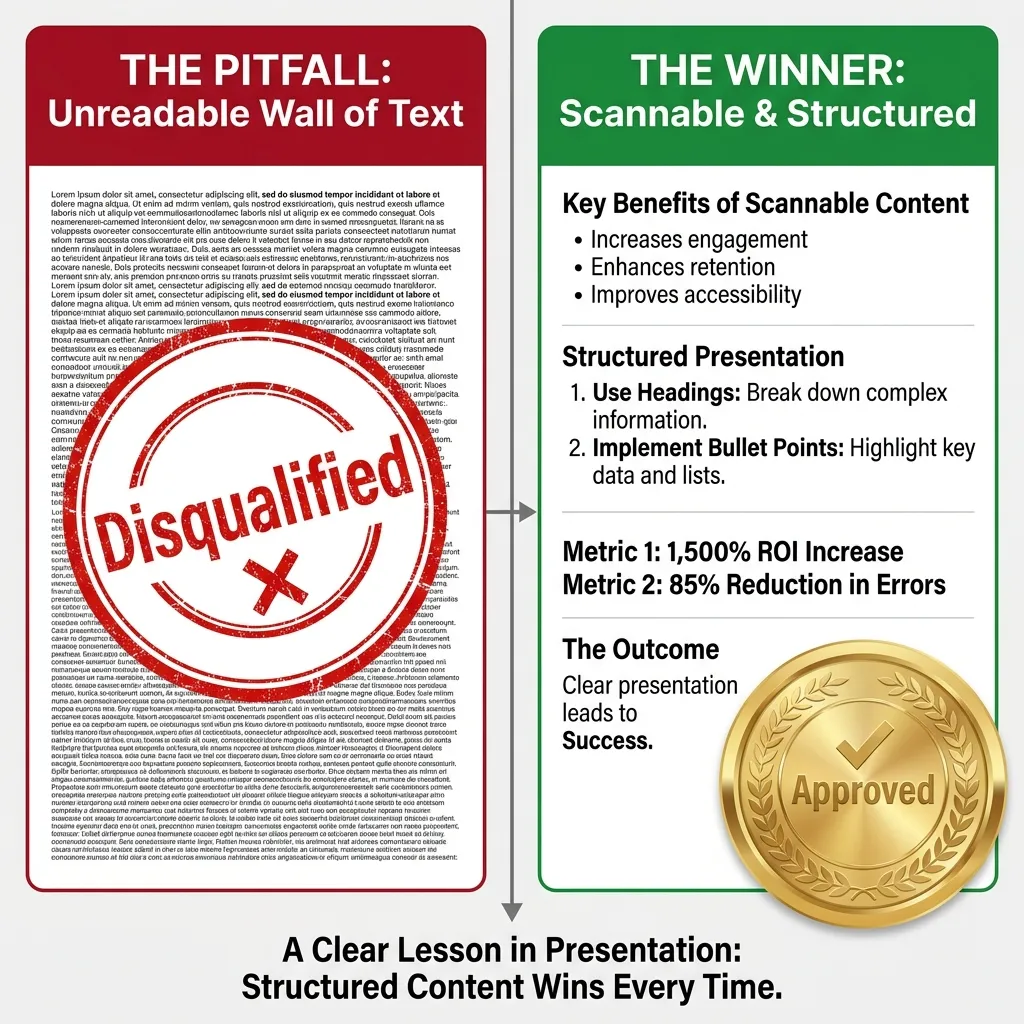
The "One-Page" Rule: While you can attach extra sheets, the primary form should be concise. Use 10pt or 11pt font. Do not submit a 20-page document.
Avoid Technical Jargon: The first people to read your plan are embassy staff, not professors. They are smart, but they might not be experts in your specific niche. Write clearly.
The Language Match: If you are applying for a Japanese-taught program, your research plan should ideally be in Japanese. For English tracks, perfect English is mandatory.
Common Pitfalls to Avoid
-
Copy-Pasting from the Internet: Plagiarism is an instant disqualification. Use AI only for brainstorming, never for the final text.
Vague Methodology: "I will go to the library" is not a plan. "I will analyze the Meiji-era manuscripts held at Waseda University" is a plan.
Ignoring the "Helpful Content" Rule: Make your plan helpful to the reader. Use bold text for key terms and ensure the flow is logical.
Expert Summary for Success
Your MEXT Research Plan 2026 is a professional proposal. It should show that you are a serious researcher who understands the Japanese academic landscape.
Final Expert Tip: Before submitting, find a current MEXT scholar or a professor and ask them to read it. One hour of feedback can be the difference between a rejection and a flight to Japan. Start your draft today, keep it focused, and stay specific. Good luck!