

How to Find a MEXT Supervisor in Japan: A Practical Expert Guide
You have passed the first screening at the Japanese Embassy. Congratulations! This is a massive milestone. However, you have now entered what many call the "boss level" of the MEXT application: securing a Letter of Provisional Acceptance (LoPA).
For many international students, cold-emailing a busy Japanese professor feels like shouting into a void. You send ten emails and get zero replies. It is frustrating, but here is the truth: finding a supervisor isn't about luck or sending a high volume of emails. It is about strategic alignment, perfect timing, and impeccable professional etiquette. This guide will walk you through the exact, high-level steps to identify, contact, and convince a Japanese professor to sponsor your research.
1. Where to Start Your Search: Beyond Google
Related Reading: Check out our guide on Chevening Scholarship for 2027: Requirements & Apply
Do not make the mistake of just browsing university homepages at random. It is time-consuming and often leads to outdated faculty lists. To be efficient, you need targeted databases that show who is currently active, funded, and publishing in your specific field.
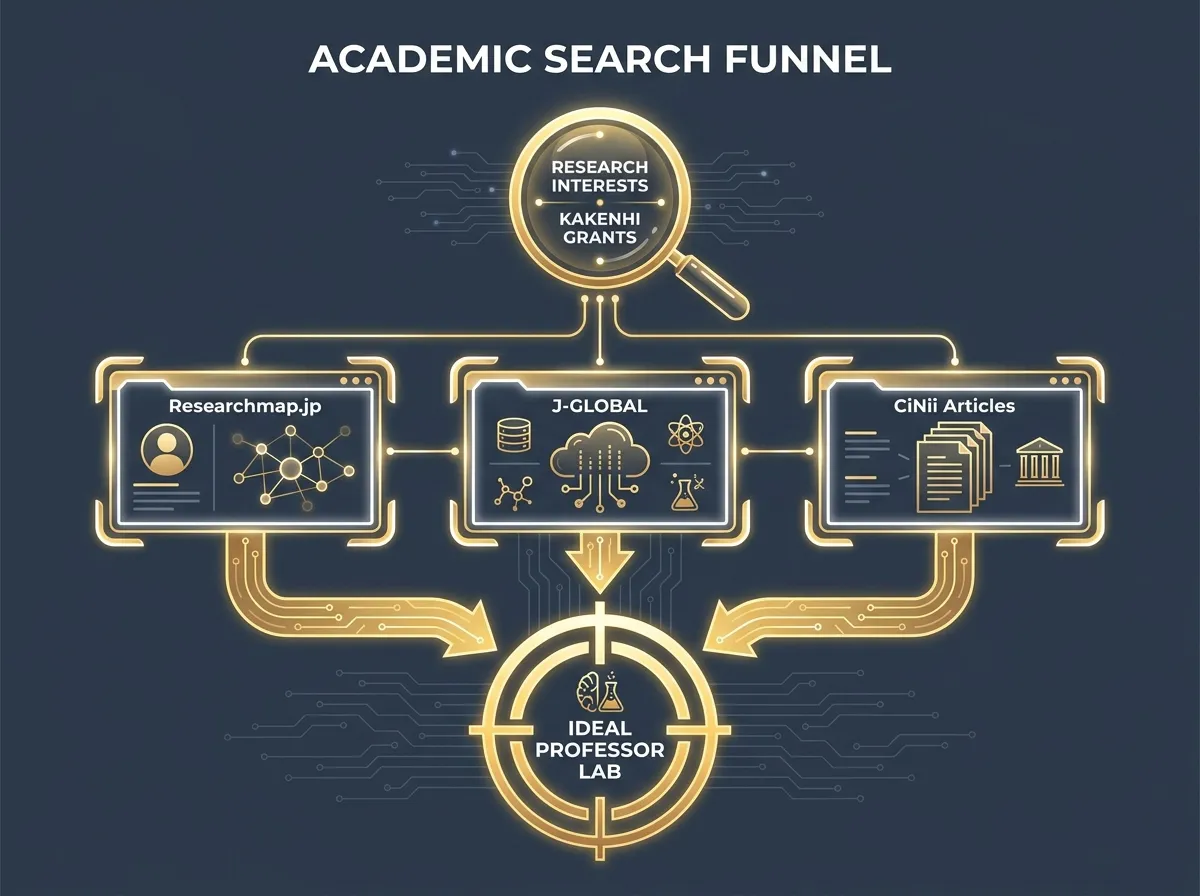
Researchmap.jp: The Gold Standard
This is essentially the "LinkedIn" for Japanese researchers. Almost every credible academic in Japan maintains a profile here. It allows you to search by keywords, research interests, or specific university affiliations.
-
Pro-Tip: Don't just look at their name. Check the "Research Projects" section to see if the professor has active funding, known as Kakenhi. A professor with an active grant is far more likely to have the resources to accept a new MEXT scholar into their lab.
J-GLOBAL: For the STEM Innovators
Operated by the Japan Science and Technology Agency, J-GLOBAL links researchers, patents, and technical literature. It is the best place for finding professors in Science, Technology, Engineering, and Math (STEM) who are working on industry-leading innovations. If your research plan involves patents or commercial application, start here.
CiNii (Scholarly and Academic Information Navigator)
CiNii is a Japanese bibliographic database service. Searching here allows you to see how often a professor publishes and in which journals. If a professor hasn't published anything in the last five years, they might be transitioning into a purely administrative role or heading toward retirement—making them a risky choice for a supervisor.
University Faculty Directories
Once you have a shortlist from Researchmap or J-GLOBAL, verify them on the official university website. Look for the "Faculty" or "Laboratory" page. Check if the lab has a dedicated website (often called a "Kenkyushitsu" page). These lab-specific sites usually give a much better vibe of the lab's daily life than the generic university directory.
2. Analyzing "Lab Fit" Before You Email
A common pitfall is the "spray and pray" method—emailing every professor in a department. Japanese professors value specificity and sincerity. If they suspect you sent the same email to five other colleagues in their building, they will likely ignore you. Before reaching out, perform a "Lab Audit":
-
Recent Publications: Does their work from the last 3 years align with your proposed research? If you want to study "AI in Healthcare" but the professor has shifted to "AI in Finance," your application will be rejected for lack of alignment.
International Presence: Check the "Members" or "Students" page. Do they already have international students? If they do, they are likely familiar with the MEXT process and are more open to global applicants.
Lab Size and Hierarchy: A lab with 30 students might offer great networking but very little "Sensei time." Conversely, a small, new lab might offer intense mentorship but fewer resources. Decide what suits your learning style.
3. Crafting the "High-Conversion" Initial Email
Your first email is your digital handshake. In Japanese academic culture, first impressions are nearly impossible to reset. You must be concise, formal, and demonstrate that you are a high-value candidate.
The Subject Line: Your First Hurdle
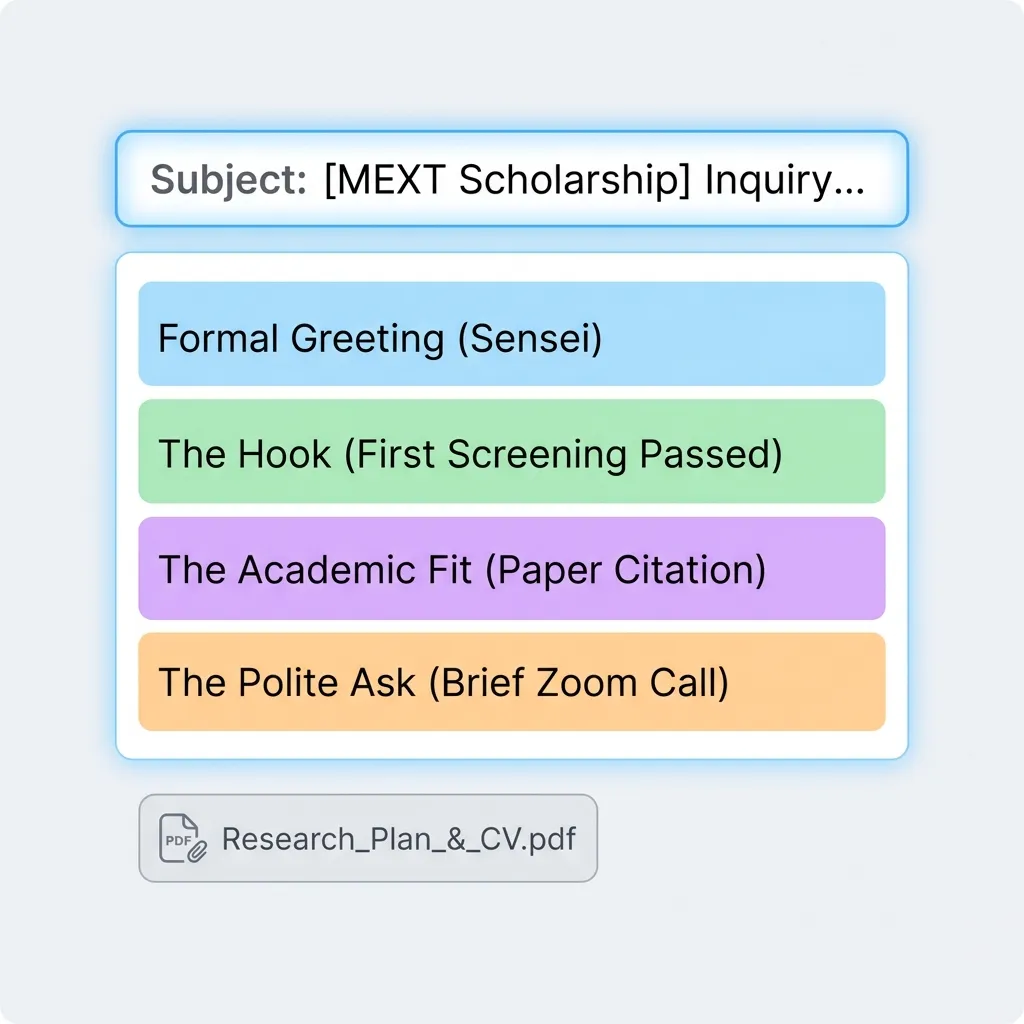
Japanese professors receive hundreds of emails. Your subject line must tell them exactly who you are and what you want in under 10 words.
-
Recommended: [MEXT Scholarship 2026] Inquiry Regarding Research Supervision – [Your Name] – [Your University]
The "Perfect" Structure
-
Formal Greeting: Always use "Dear Professor [Surname]". Never use "Hi" or "Dear Teacher."
The Hook: State immediately that you have passed the MEXT First Screening. This tells them you are already "vetted" by the Embassy and your tuition is covered.
The Connection: This is the most important part. Explain why their lab is your top choice. Mention a specific paper or project they led. "I was particularly inspired by your 2024 study on [Topic]..."
The Ask: Do not ask for the LoPA immediately. Ask for a brief Zoom meeting to discuss your research plan or ask if they would be willing to provide feedback on your proposal.
Professional Attachments: Combine your Research Plan, CV, and the Embassy’s "Passing Certificate" into a single, well-named PDF. Ensure your GPA is clearly highlighted. If you need to verify your standing, you can use a Cumulative GPA Calculator to ensure your data matches MEXT standards.
4. Decoding Japanese Academic Culture (The Unique Value)
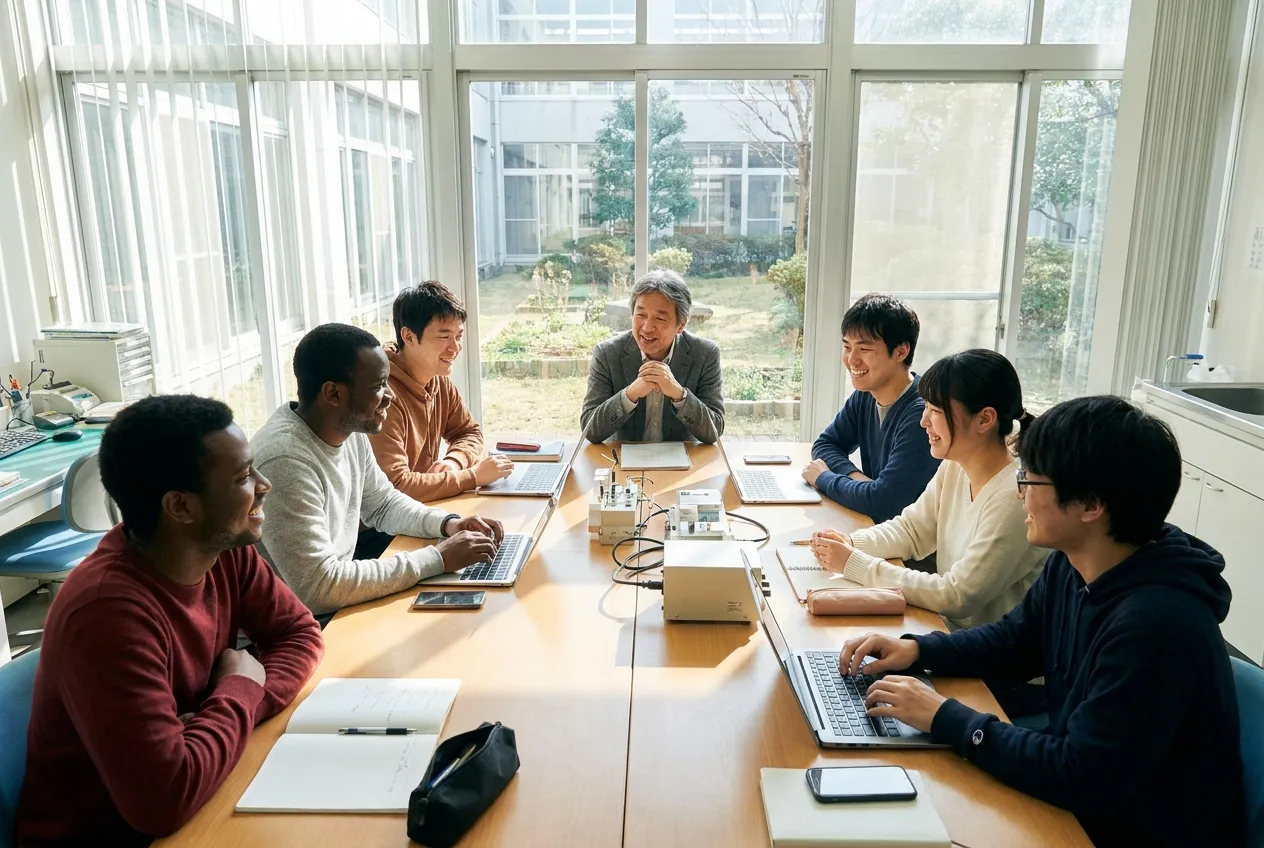
Most guides tell you how to search, but few explain the "hidden rules" of the Japanese Zemi (Seminar/Lab) culture.
The "Zemi" as a Family Unit
In Japan, a research lab isn't just a place of work; it’s a social hierarchy. When a professor considers you, they are asking: "Will this person contribute to the harmony (Wa) of my lab?" Mentioning your experience in team projects or your willingness to participate in lab activities can be a "secret" advantage.
The Importance of the "Letter of Provisional Acceptance"
Technically, a professor provides a "Provisional" acceptance. This means they want you, but the University's Graduate School Office still has to process the paperwork. Don't stop your search just because one professor said "maybe." You are allowed to request letters from up to two or three universities (check your year's specific Embassy guidelines).
Avoid the "Cc" Mistake
Never Cc multiple professors in the same email. This is considered highly disrespectful in Japan. Treat each contact as a 1-on-1 relationship.
5. Handling the Interview: The Compatibility Check
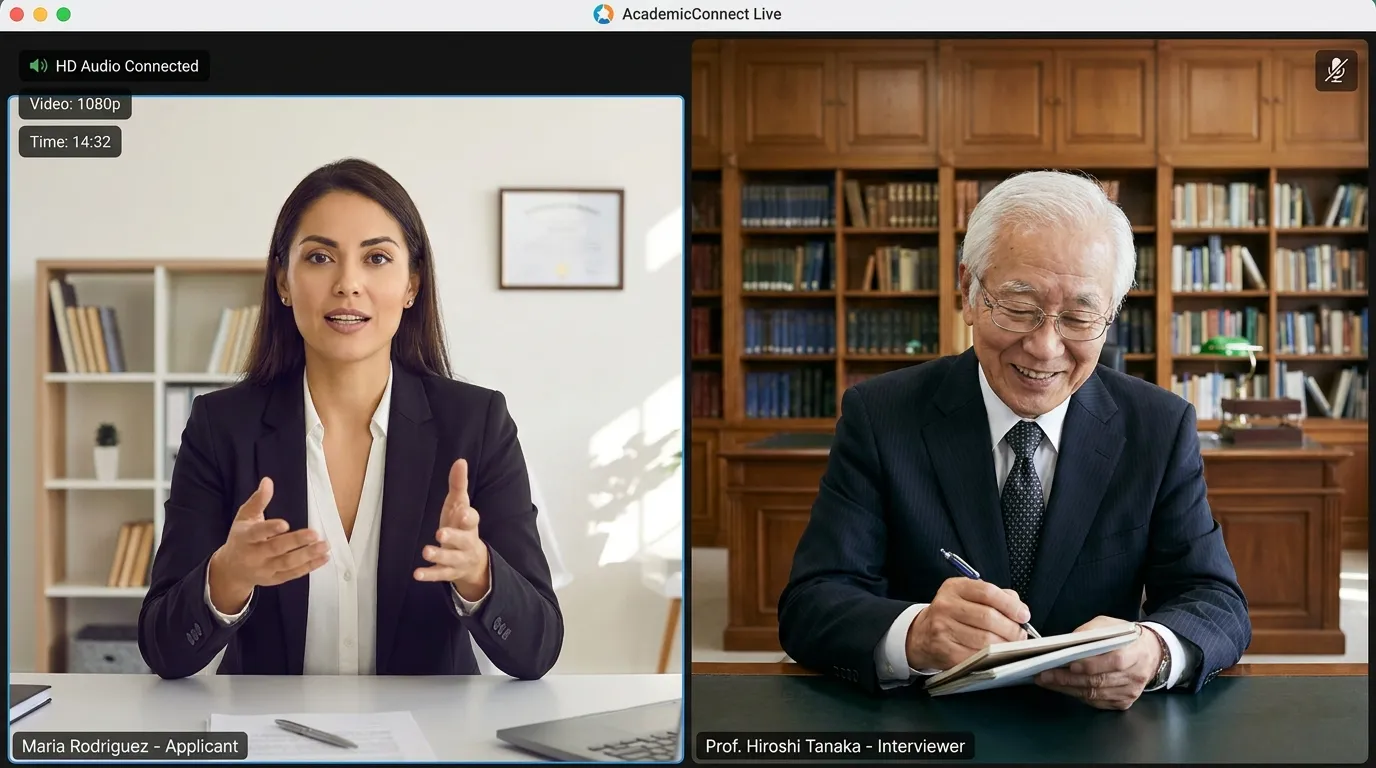
If a professor responds positively, they will likely invite you to an informal Zoom or Skype interview. Treat this with the same seriousness as a job interview.
-
The 2-Minute Pitch: Be ready to summarize your research plan without looking at your notes. They want to see that the ideas are yours, not generated by a tool.
The "Why Japan?" Question: Beyond the scholarship money, why do you need Japan for this research? Is it the specific equipment? The unique social context? Be specific.
Prepare Your Own Questions: Ask about the lab's current focus or if students usually publish in international journals. This shows you are thinking about your future as a serious scholar.
6. Managing Rejection and the "No-Reply"
The MEXT journey is a test of character. It is perfectly normal to receive 5 "No" responses for every 1 "Yes." Professors may decline because their lab is physically full, they are taking a sabbatical, or they feel they cannot provide you with the best guidance.
The Follow-Up Rule: If you don't hear back in 7 days, send one polite follow-up email. If after another 7 days there is still silence, move on. Do not haunt their inbox; there are thousands of other professors in Japan.
7. Final Expert Checklist for Success
To ensure you secure your supervisor for the 2026 cycle, keep these final tips in mind:
-
PDF Naming: Name your files professionally: [Full_Name]_MEXT_Research_Plan.pdf.
Time Zones: Send your emails so they arrive at the start of the Japanese workday (9:00 AM JST). Emails sent at 3:00 AM JST often get buried by the time the professor wakes up.
GPA Accuracy: Ensure your academic credentials are beyond reproach. Many professors will double-check your calculations. Using a reliable Cumulative GPA Calculator ensures you are presenting the most accurate version of your academic history.
Expert Tip: The students who get the best supervisors are the ones who show proactive curiosity. Don't just ask to be a student; show that you are ready to be a contributing researcher.
Good luck. Your future in Japan starts with a single, well-crafted email.